
Winter Driving in the Pacific Northwest: Safety Tips for Personal & Commercial Drivers
Winter in the Pacific Northwest can be unpredictable. One day it’s steady rain, the next it’s black ice, mountain snow, or fog thick enough to slow traffic to a crawl. Whether you're commuting around town or managing a fleet that travels across Oregon, Washington, and beyond, preparing for these shifting conditions is essential.
At Integrity Insurance & Bonding Inc, we’re committed to protecting both personal auto drivers and commercial vehicle operators through every season. Below are key winter safety tips and insurance recommendations tailored to the unique challenges of PNW roads.
Prepare for the PNW’s Mix of Wet, Cold and Icy Weather
The Pacific Northwest is known for its rain—but winter can also bring freezing temps and heavy mountain snow.
For All Vehicles:
Schedule a winter service to check your tire tread, defrosters, wipers and battery. These things can go a long way to making driving in the rain or snow safer for everyone.
For personal vehicles, consider winter or all-weather tires, especially if you drive into the Gorge, along the coast range, or through any mountain passes.
Carry chains! Chains are not just required for commercial vehicles; if you tow with your personal auto, you will need chains! You can check the Oregon Department of Transportation website for the minimum chain requirements. (https://www.oregon.gov/odot/mct/pages/chains-and-traction-tires.aspx)
Keep emergency supplies stocked in case you are stuck during closures or storms.
Double-check that your GPS (and telematics for commercial vehicles) remain functional in rural and mountainous areas.
For commercial vehicles, schedule frequent moisture-related inspections, including brakes and lights that can suffer from constant rain exposure.
Keep your gas tank half full. If you drive an electric vehicle, make sure it is topped up before any long trips.
Adjust Your Driving Habits During Storms & Freeze Cycles
PNW winter driving often means rain by day and ice by night.
Slow down earlier—wet pavement can double stopping distances.
Beware of black ice, especially at bridges, overpasses, and shaded areas.
Increase following distance in fog and heavy rain.
Expect sudden weather changes when traveling between cities, the coast, or mountain passes.
Allow for extra time to get to where you need to go, if you arrive early – there will be a coffee shop nearby!
Fleet managers may want to conduct seasonal safety refreshers focused on rain, fog, and freeze hazards.
Review Your Auto Coverage for PNW-Specific Risks
Rain, fallen trees, flooding, icy accidents—Pacific Northwest winters bring unique exposures. The right insurance matters.
Commercial Auto Insurance
Ensure your auto policy provides:
Comprehensive & collision for damage from windstorms, debris, or icy conditions
Towing and roadside assistance, especially helpful during pass closures
Sufficient liability limits, due to heavy winter traffic and increased accident rates
Hired & Non-Owned Auto coverage if employees run errands or use personal vehicles for work
Personal Auto Insurance
Double-check that you are covered for:
Weather-related damage like fallen branches or flooding
Uninsured/underinsured motorist coverage, which is crucial in Oregon and Washington
Roadside assistance, especially during winter travel delays
Rental car reimbursement if your vehicle needs repairs after an accident
Not sure what your policy covers? Check in with us and we can help you review and adjust your plan for winter readiness.
Build a PNW-Focused Winter Emergency Kit
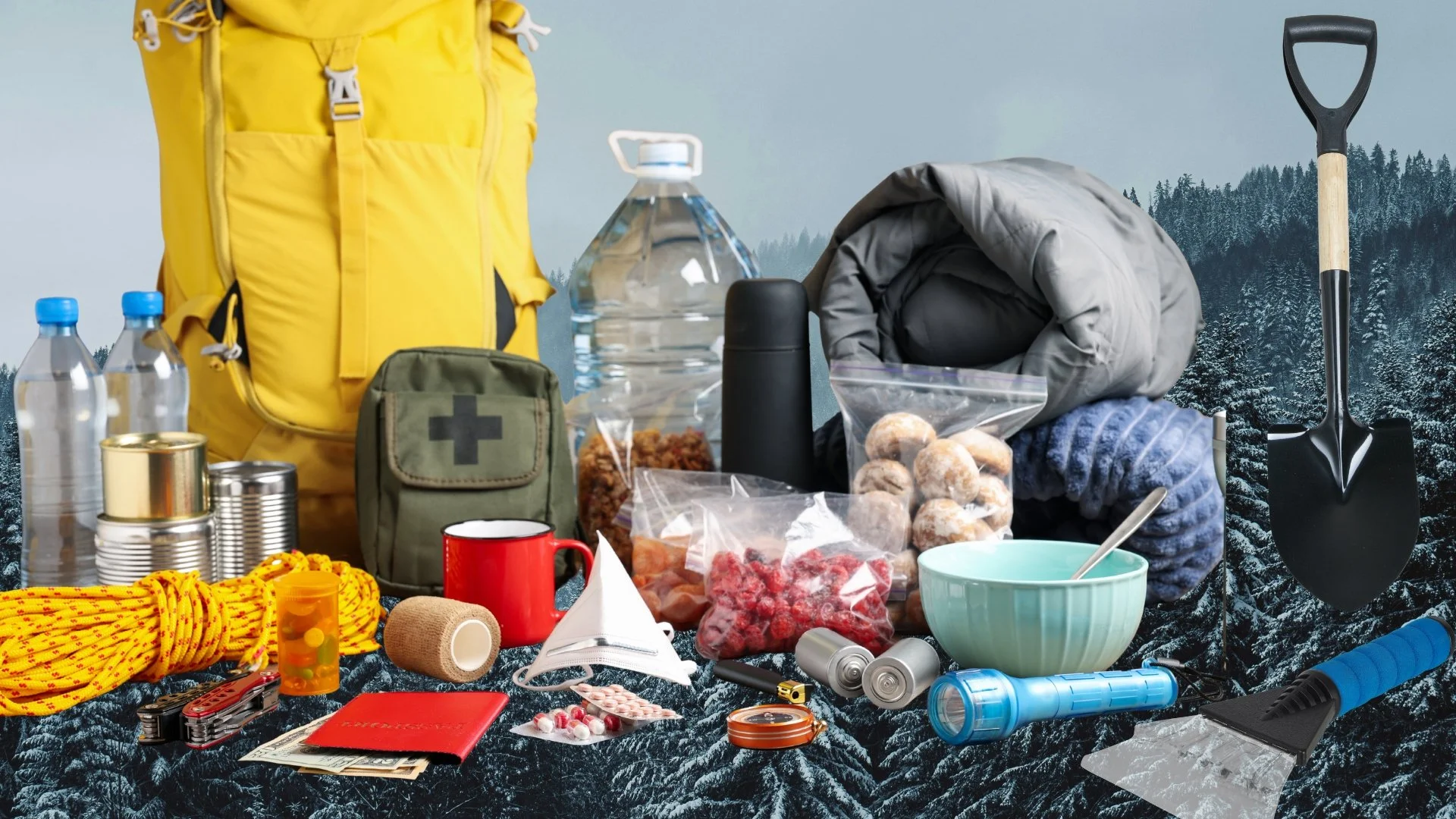
While you might be fine on a short trip around town without an emergency kit; making a habit of keeping on in your vehicle (at all times) can ensure that you never forget it for the long trips.
Here is a list of things that every vehicle—commercial or personal—should have:
For Warmth & Shelter:
Blankets or Sleeping Bags: For warmth if your car's heat fails
Extra Winter Clothes: Coat, hat, gloves, warm socks, and boots
Rain Poncho: To stay dry if you need to get out
Useful Tools & Visibility Aids:
Ice Scraper & Snow Brush
Flashlight: With extra batteries or a hand-crank model
Jumper Cables
Shovel: A small, collapsible one
Basic Tool Kit: Pliers, screwdrivers, multi-tool/knife, duct tape
Flares or Reflective Triangles
For Communication & Navigation:
Cellphone & Charger: Plus a backup power bank
Maps: Physical maps for when GPS fails
Weather Radio: Hand-crank/solar models are great
Essential Food, Water & First Aid Supplies:
Water & Non-Perishable Snacks: High-calorie bars, trail mix
First-Aid Kit: Including any personal medications
For Traction & Quick Vehicle Repair:
Sand or Kitty Litter: For traction under tires
Tire Repair Kit/Sealant
Tire chains (and knowledge of how to install them)
If your routes include the Cascades or Eastern Oregon/Washington, these are essentials—not extras.
Re-evaluate Your Insurance Before the Weather Peaks
As winter storms, freeze cycles, and wind events become more common, now is the perfect time to ensure your coverage matches your real-world risk.
At Integrity Insurance & Bonding Inc, we understand the daily realities of driving in the Pacific Northwest. From personal auto to commercial fleets, we help clients stay protected through rain, ice, and everything in between.
Stay safe, stay vigilant, and trust Integrity Insurance & Bonding Inc to help you navigate the PNW winter with confidence.